
Best Color Palettes For Websites 2026
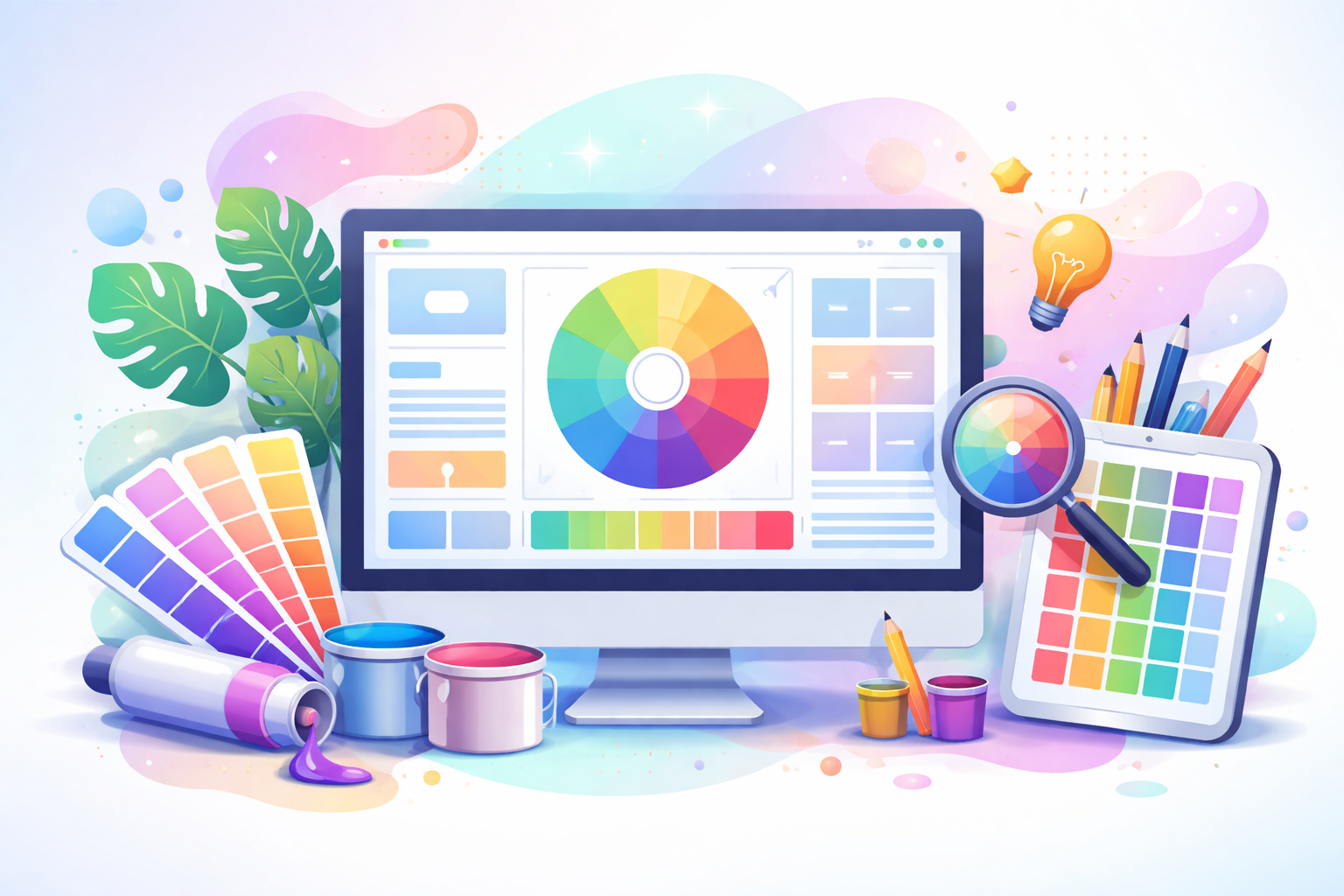
Website design goes beyond layout, speed, and typography in 2026. Color is now the most essential factor in initial impressions, behavior, and brand recognition. Color psychology helps people judge a website in seconds. The right colors can engage, retain, and convert.
As digital competition rises in many industries, companies require real, clear and innovative color palettes. The colour palette of an eCommerce store, SaaS platform, corporate website or creative portfolio should fit the brand’s identity and user expectations.
HireWebPro Solutions knows how contemporary color systems affect websites that are focused on performance. In this tutorial, you will learn about the best color schemes for websites in 2026, how to use them in real life and technologies that help businesses create visually appealing digital experiences.
What is a Color Palette?
A color palette is a carefully picked set of colors that designers use to make sure their work looks the same. It has major, secondary and accent colors that work well together to promote branding, legibility, emotional tone, and the overall user experience on a website.
Uses of Color Palette
In web design, color palettes are useful and pretty. First, they help people remember your brand. Colors that stay the same throughout time help people remember and trust your brand. Second, they show users what to do by making calls to action, navigation elements, and interactive parts stand out.
Third, color makes things easier to read and find. For all audiences, the right contrast between text and background makes things clearer and easier to use. Fourth, palettes make people feel things. Blues mean trust, greens mean growth, and bold colors signify energy or new ideas.
Color also makes stories better. Using shades in the right way may provide depth, demonstrate hierarchy, and split up material visually. Websites, social media and digital ads from companies that use structured palettes are more consistent with their brands. Color is more than just a pretty thing in 2026; it is a design feature that helps people buy things.
Different Types Of Color Palettes
01 Monochromatic
A monochromatic palette uses tints, hues and tones of one color. It gives websites a clean, consistent look with strong brand emphasis and visual simplicity. This method improves consistency, elevates brand identification and highlights font and layout without distraction.
Monochromatic Example
02 Analogous
Analogous palettes use colors next to each other on the color wheel. Smooth transitions, mild contrasts, and natural harmony make them ideal for professional and relaxing website designs. Lifestyle brands, educational platforms and service organizations wanting a balanced and visually relaxing user experience should adopt this palette.
Analogous Example
03 Complementary
Colors opposite each other on the color wheel form complementary palettes. This gives modern websites dramatic contrast, visual vibrancy and effective call-to-action features. Complementary schemes improve button visibility, highlight critical text and boost interaction through stark graphic differentiation.
Complementary Example
04 Split-Complementary
One base color and two colors that are next to it make up a split-complementary palette. This method strikes a balance between contrast and harmony and is more flexible than standard complementary systems. It adds visual interest without too much tension, so it is suitable for brands that want layouts that are dynamic but not too intense.
Split-Complementary Example
05 Triadic
A triadic palette has three evenly spaced colors on the color wheel. Their colorful contrast and harmony are ideal for creative and dynamic internet brands. Designers choose one dominating color and use the other two to highlight features and interactive elements.
Triadic Example
06 Tetradic
Tetradic palettes use dual complementary colors. They have many options and a clear visual hierarchy, but you must balance them to avoid cluttering the interface. When properly put up, tetradic systems give complex website layouts and multi-section sites depth and structure.
Tetradic Example
Popular Color Trends for 2026
01 Black & White
Black and white is timeless in 2026. To emphasize typography, structure and visual clarity, minimalist websites use sharp contrast. Clear colors help people focus on the text and calls to action. This color scheme is great for high end portfolios, fashion brands and luxury firms where simplicity and refinement show power and confidence.
Beyond minimalism, black and white improves reading and reduces visual noise. Modern, journalistic layouts use bold black backgrounds with crisp white font or vice versa. The simplicity allows for selective button and hover effect accent colors, making the experience clean and conversion-focused.
Black & White
02 Sophisticated Blues
Blue is still a popular color in digital design, but 2026 adds some depth. Instead of bright blues, use navy, cobalt, and drab steel blues. These colors give off a sense of confidence, stability, and professionalism. They are great for SaaS, fintech and corporate platforms that want to be seen as credible and cutting-edge.
Elegant blues go well with soft grays, metallic decorations, and warm neutrals. Blue gradient layers add dimension without cluttering the UI. Businesses build peaceful, authoritative and trustworthy digital environments using blue backgrounds, headers, and call-to-action elements.
Sophisticated Blues
03 Yellow, Green, and Orange
Creative and eco-friendly firms are using warm, bold colors. Yellow inspires, green sustains and orange energizes. The correct blend of these three things makes digital interactions that are emotionally engaging. Startups, wellness platforms and eco friendly businesses all like these hues.
In 2026, these hues are softer than neon. Mild mustard, olive green and burnt orange warm users without overwhelming. Designers highlight interactive features with these tints on neutral backgrounds for balance and legibility.
Warm & Bold
04 Fluorescent Colors
Fluorescent accents are becoming more popular in striking digital experiences. Electric pinks, neon greens and bright purples are utilized over dark backgrounds to make futuristic interfaces. This tendency is especially strong in gaming, IT firms and creative portfolios that want to look cutting edge.
Fluorescent colors do not take over the whole design; instead, they add accents. These bright colors are commonly found on buttons, hover states, and moving parts. When you mix dark themes with bright accents, you get a browsing experience that is high-impact, immersive and modern.
Fluorescent Accents
05 Industrial After-Dark
Industrial after dark palettes have dark blues, muted metals, charcoal grays and deep browns. These colors make you think of strength, structure and dependability. More and more manufacturing brands, automotive platforms and technologically driven businesses that desire a strong, stable web presence are using them.
Designers add depth to these palettes with soft lighting, layered shadows and subtle texture. Industrial tones give depth and authority when used with bold type and few images. The overall look is confident and polished, but not too theatrical.
Industrial After-Dark
06 Rainbow Gradients with Black Text
Rainbow gradients are evolving into more controlled and artistic applications. Instead of chaotic blends, designers create smooth, intentional transitions across vibrant hues. When paired with clean black text, the design remains readable and modern. This trend works well for creative agencies and digital media platforms.
Black typography ensures accessibility and strong contrast against colorful backgrounds. Businesses apply gradients in hero sections or banners while maintaining white or neutral sections elsewhere. This approach balances creativity with usability, ensuring aesthetics do not compromise readability.
07 Complex Gradients
Complex gradients combine several tones with small layers to give the image depth and movement. Websites in 2026 use multidimensional gradients to keep their interfaces from being flat and unchanging. These blends commonly mix cold and warm colors to make smooth transitions.
Moderation is the key to success. Gradients show up in cards, overlays and background sections, but not in full-page apps. Complex gradients look rich while keeping a clean structure when used with simple typography.
08 Pastel Neutrals
Pastel neutrals make modern interfaces softer. Colors like dusty rose, light lavender, pale sage and soft beige make it easier to relax when you are online. This color palette trend is quite popular with lifestyle firms, wellness platforms and creative entrepreneurs.
Designers utilize pastel colors and a lot of white space to keep things clear. The calming look is made better with soft shadows and delicate fonts. The end result is an interface that looks modern and welcoming without being too whimsical.
Pastel Neutrals
09 Color Blocking
Color blocking uses bold, solid sections of contrasting colors to create a strong visual hierarchy. Large rectangular blocks guide the eye through structured content sections. This technique is popular among editorial websites and creative portfolios.
In 2026, designers use color blocking, simple fonts, and strong grid systems all at the same time. Sections with a lot of contrast make it easy to find your way around and look interesting. When done right, this method increases brand identification and makes it easier to group information.
10 Monochromatic Schemes
Monochromatic palettes are still popular for brands seeking simplicity and cohesiveness. Unity is achieved by using one main color in many shades. Corporate, personal, and commercial websites benefit from this layout.
By altering saturation and brightness, designers build hierarchy without adding colors. Instead of colors, typographic weight, spacing and minor movements can add accents. The product is expertly arranged.
11 Metallic Shades
Digital luxury branding is using more and more metallic colors including gold, bronze, silver and metallic grays. These colors say that something is luxurious and unique. The jewelry, financial, automotive and advanced service industries heavily utilize these colors.
Designers often utilize minor reflections and gradients to make things look like metal. When you put metallic pieces on a dark background, they look deep and classy. These colors can help customers perceive the brand better without making the interface too busy if you apply them wisely.
Metallic Shades
Top 3 Color Palette Tools For Business
Professional tools that make harmonious combinations and keep design consistency across platforms make it easy to choose the proper palette.
01 Adobe Color
Designers all across the world trust Adobe Color as a professional tool. It helps you make, look at, and improve color schemes via a color wheel interface that changes. Companies may save palettes, send them to design software, and keep their branding the same in both digital and print mediums.
02 Colormind
Colormind uses AI to design modern color palettes based on data. It looks at design trends and makes combinations that work for websites, apps, and branding. Companies can enter base colors and get smart options that fit with modern design.
03 ColourLovers
ColourLovers is a driven by communities site that has thousands of pre-made color palettes. Designers look at popular pairings, come up with their own plans, and show off their work. It gives companies a lot of ideas for fresh and creative ideas.
Wrapping It Up
Colour is no longer a secondary design consideration. Brand perception, user trust and conversion potential are defined in 2026. Modern websites require color strategy, from classic black and white to futuristic bright accents and sophisticated metallic tints.
Structured palette systems standardize website, app and marketing experiences. Understanding palette types, trend directions, and professional tools achieves clear visual harmony.
Performance-driven design by HireWebPro Solutions combines beauty with metrics. In a fast changing digital market, the correct color palette boosts brand identity, usability and competitiveness.

Jay Methew
Jay Methew is a passionate web developer and designer dedicated to building high performance, user focused digital experiences. With a strong foundation in modern coding standards, responsive design, and UI/UX strategy, Jay transforms complex ideas into clean, functional websites that drive engagement and business growth. He combines technical precision with creative thinking to craft websites that are fast, secure, and visually compelling across all devices. From custom WordPress development to scalable eCommerce solutions and performance optimization, Jay focuses on delivering solutions tailored to each brand’s goals. His approach blends innovation, usability, and strategic design to ensure every project stands out in today’s competitive digital landscape.

